
Acupuncture
How can tiny needles make you feel good? Here's how.
TCM Acupuncture
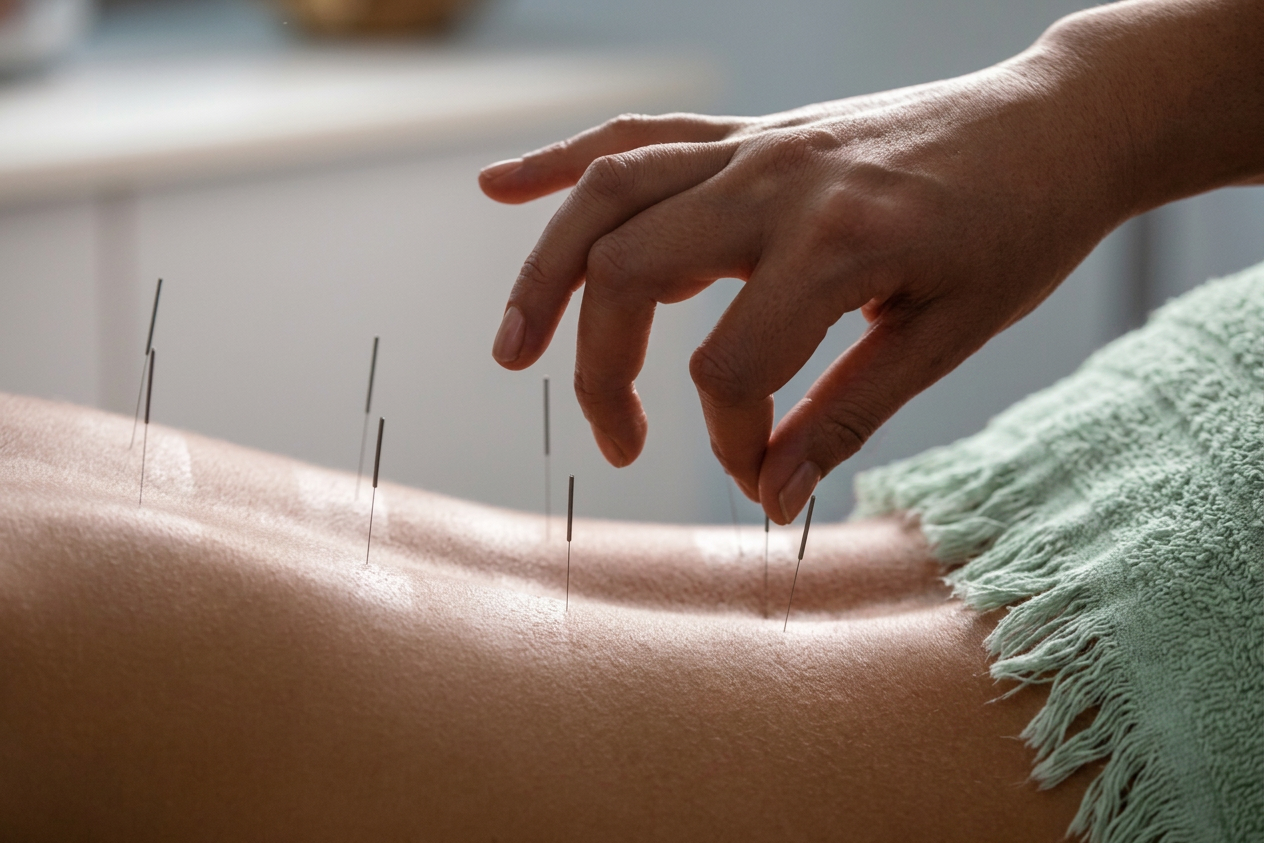
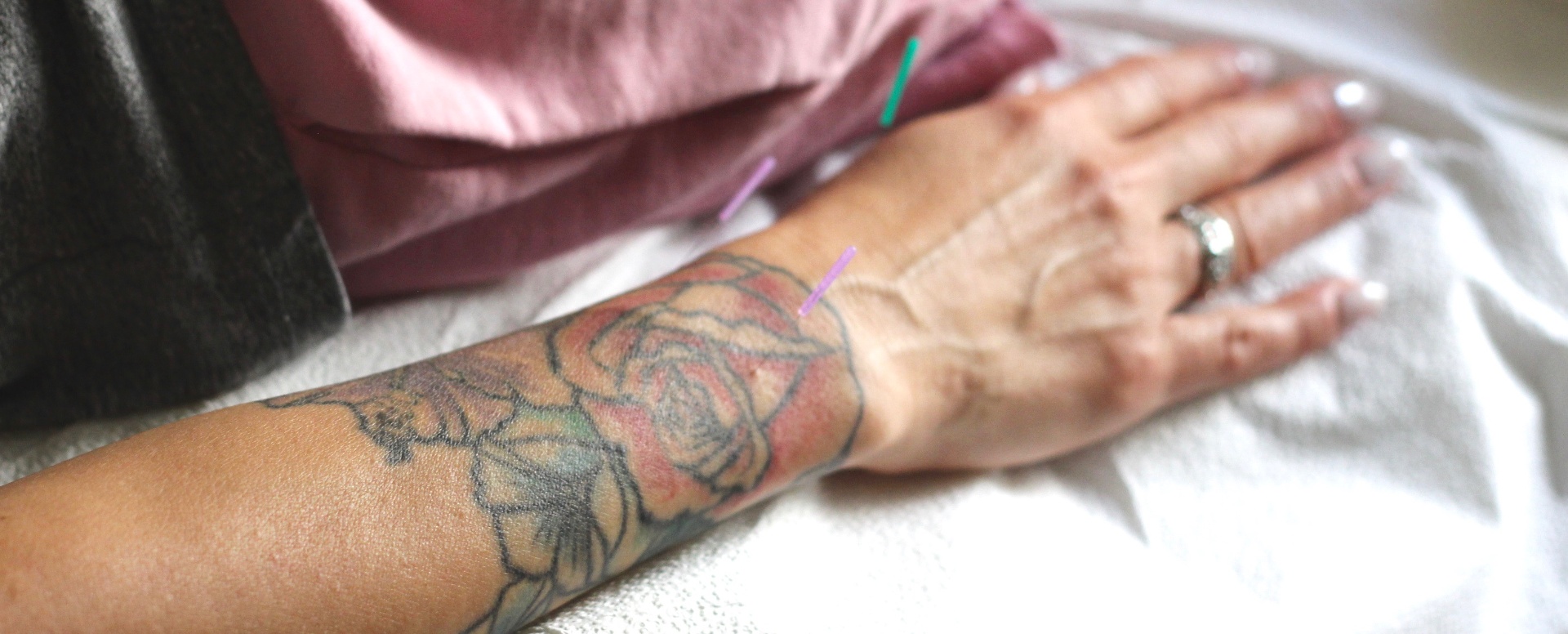
Traditional Chinese Medicine (TCM) style acupuncture involves the insertion of extremely fine needles into the skin at specific points that lie on meridians — energy pathways that connect to organ systems — in order to bring the body into balance.
Acupuncture has a history of over two thousand years. At its core, it is based on the idea that living beings have qi (pronounced "chee") coursing through the body via meridians. Qi moves blood through the body, just like how gas is the fuel for cars. Any interruption in the qi flow results in stagnation, which can manifest as physical illness and discomfort. Acupuncture restores that flow.
From a Western standpoint, acupuncture points stimulate nerves, muscles, and connective tissue, influencing hormones and circulation to help the body heal. It releases endorphins — the body's natural pain-relieving chemicals — and affects the regions of the brain that govern mood. The meridian system of Traditional Chinese Medicine and the body's fascial network are closely intertwined. Meridians act as energetic pathways, while fascia is the physical, continuous web of connective tissue that wraps muscles, organs, and bones. Modern research suggests the fascial network serves as the physical substrate or conductor for these energy pathways.
Research supports acupuncture for use for low back pain, nerve pain, headaches, fibromyalgia, menstrual cramps, allergies, fertility, induction of labour, and adverse reactions to chemotherapy and radiation.
Does it hurt?
Acupuncture needles are extremely thin—often no thicker than a few hairs—and are not comparable to medical injection needles. Insertion causes little to no discomfort, though you may feel a brief sensation of tingling, heaviness, or a dull ache. Many people find it deeply relaxing and fall asleep during the session.
Are the needles safe and sterile?
Yes. Licensed practitioners use individually packaged, sterile, solid, single-use needles that are safely discarded immediately after each use, virtually eliminating the risk of infection.
Laser Acupuncture
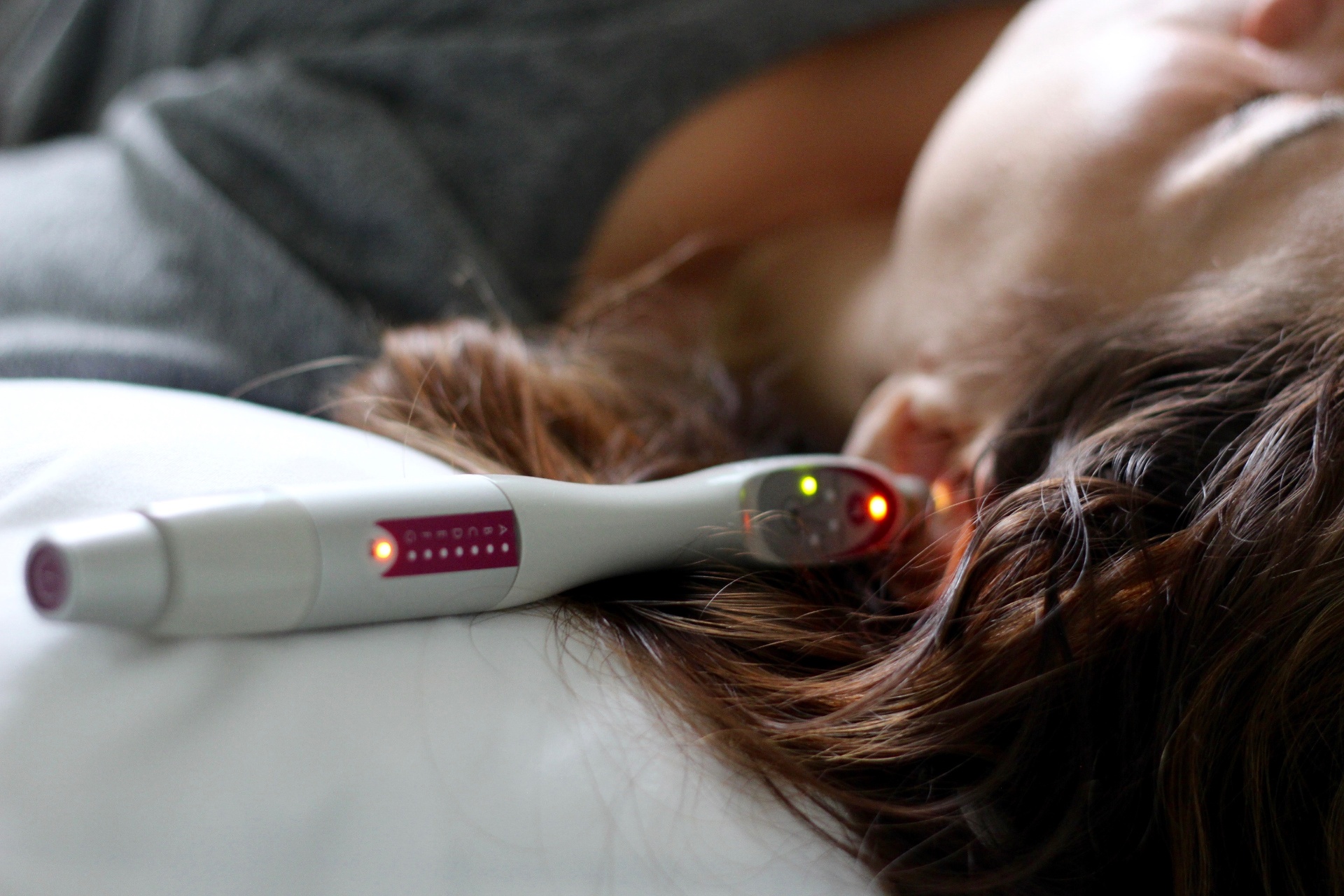
Laser acupuncture is a gentle, non-invasive therapy that uses a laser pen emitting low-intensity light as an alternative to needles. It is a form of phototherapy commonly used to treat musculoskeletal and soft-tissue conditions, and is ideal for children, older adults, and anyone uncomfortable with needles. Laser can be added to an acupuncture session to enhance pain relief results or as a stand alone treatment. How laser works to heal:
- Stimulates ATP in cells to increase energy metabolism
- Reduces the transmission of pain to the central nervous system
- Increases circulation by boosting nitric oxide production
- Provides antibacterial and antiviral effects
Cupping
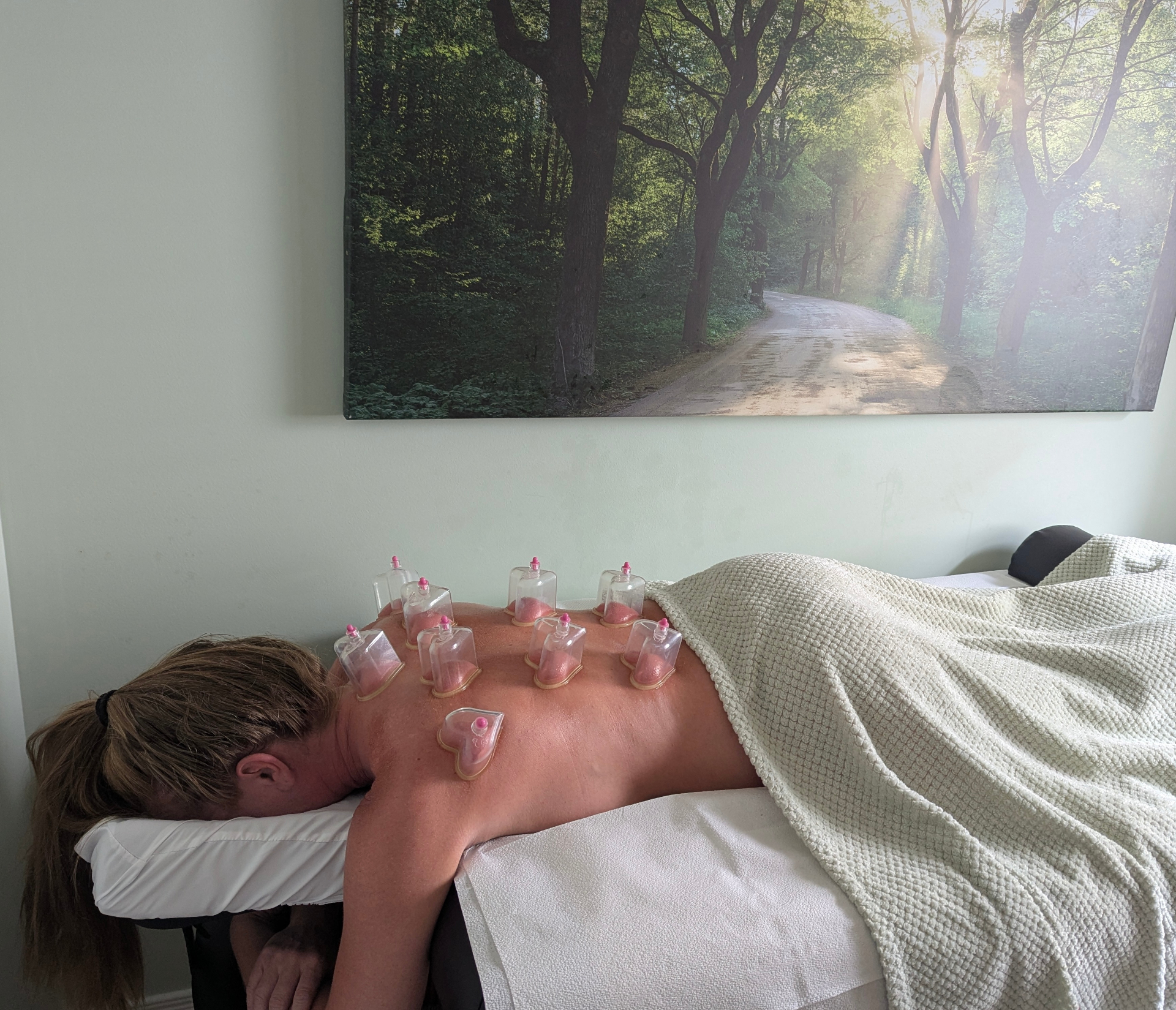
Cupping therapy is a Traditional Chinese Medicine (TCM) technique that uses suction cups to improve circulation and relieve muscle tension. Cupping applies negative pressure to the skin using glass, plastic, or silicone cups. The suction created stimulates blood flow, helping relieve joint and muscle pain, reduce inflammation, accelerate recovery, support the lymphatic and circulatory systems, and promote overall relaxation.
By creating suction, cupping lifts and releases congested connective tissue, loosens adhesions, and helps re-oxygenate previously injured tissue. Cupping may be combined with acupuncture or red light therapy when appropriate.
Cosmetic Acupuncture
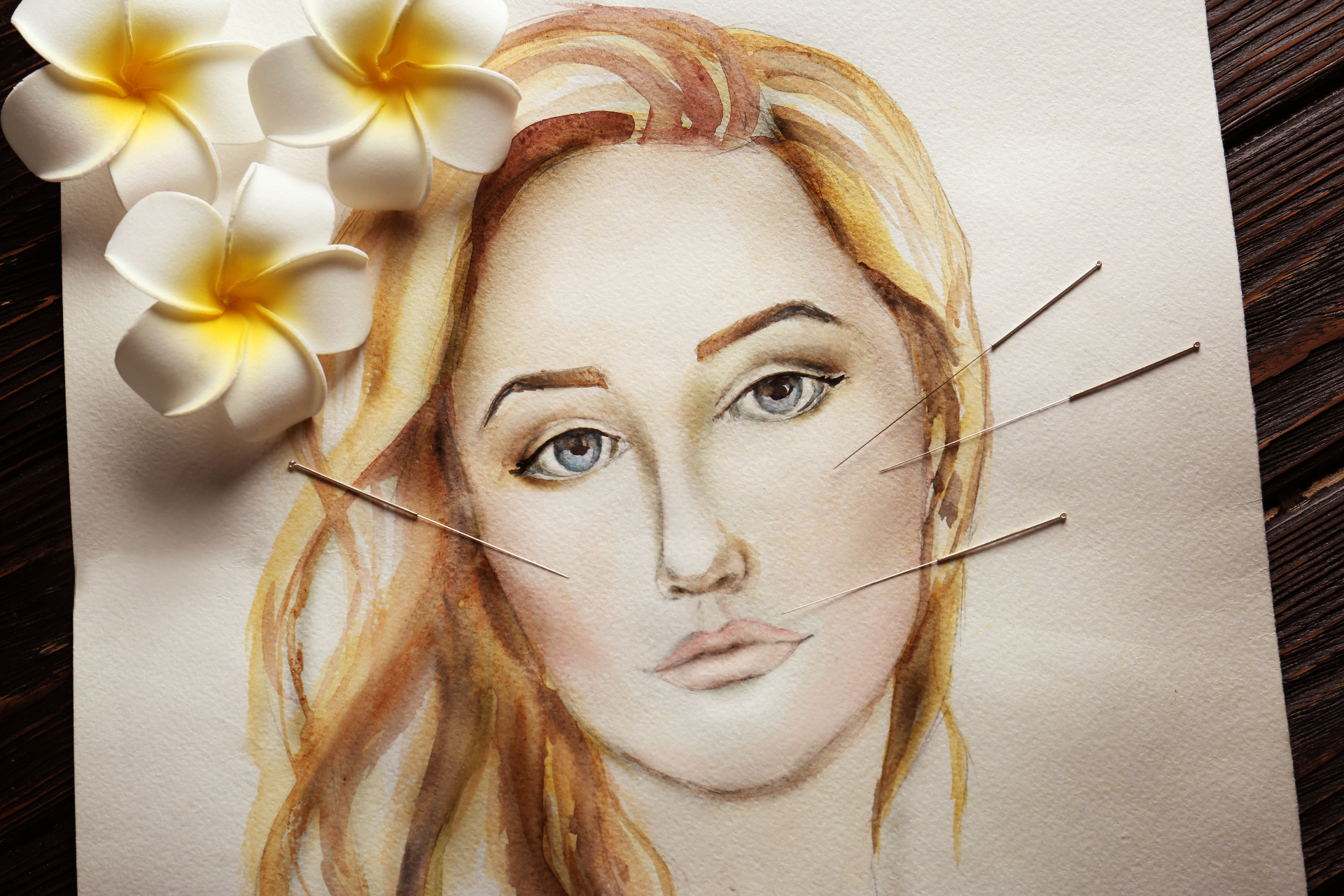
Cosmetic acupuncture is a gentle, non-invasive treatment designed to enhance your skin's natural vitality — combining the time-tested principles of acupuncture with the modern benefits of LED red light. It works with your body's own healing mechanisms to restore radiance, firmness, and a youthful glow. Rejuvenate your skin naturally — no chemicals, no injections, no downtime.
How It Works
Cosmetic acupuncture uses ultra-fine needles to stimulate specific points on the face and body, encouraging:
- Improved circulation to nourish skin tissue
- Collagen and elastin production for firmer, smoother skin
- Muscle tone balancing to soften lines and lift sagging areas
- Enhanced lymphatic flow to reduce puffiness and inflammation
The result is a refreshed, revitalized complexion that looks naturally lifted and more vibrant.
Why Add Red Light Therapy?
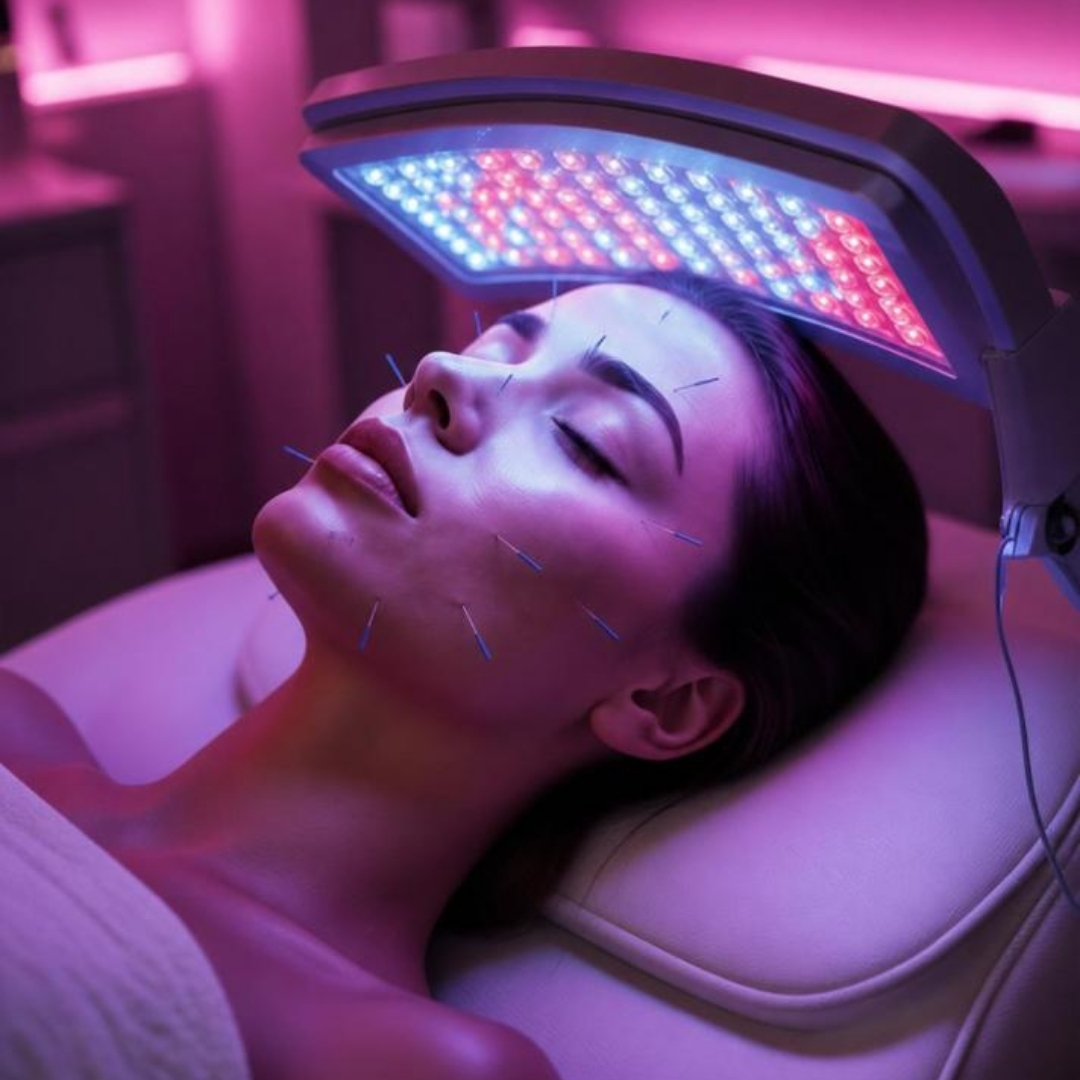
Red light therapy (low-level light therapy, or LLLT) uses specific wavelengths of LED light to support cellular repair and rejuvenation. When combined with cosmetic acupuncture, it amplifies the treatment's effects by:
- Boosting collagen synthesis
- Reducing fine lines and wrinkles
- Improving skin texture and tone
- Supporting wound healing and tissue repair
- Enhancing overall skin radiance
Red light therapy is painless, relaxing, and safe for all skin types.
What to Expect
- A brief consultation to understand your goals and assess your skin.
- Gentle facial and body acupuncture to stimulate circulation and activate collagen-producing pathways.
- A red light panel is applied over the face to enhance cellular repair.
- Sessions typically last 60–75 minutes and may include other modalities such as gentle microdermabrasion or high-frequency, if appropriate.
Most clients notice improvements in skin tone and radiance after just a few sessions, with deeper changes — like firmness and reduced fine lines — building gradually over a series of treatments.
Who Is It For?
Cosmetic acupuncture is ideal for anyone looking for a natural approach to skincare. It is suitable for all skin types and particularly beneficial for those who:
- Want to reduce fine lines and wrinkles without injections
- Seek improved skin tone and texture
- Prefer holistic, non-chemical treatments
- Are preparing for a special event and want a natural glow
- Want to complement their existing skincare routine
Ready to begin?
Sessions are tailored to your goals and comfort.