
Food as medicine.
In Traditional Chinese Medicine (TCM), food is treated as preventative medicine and daily energy. Herbal soups and teas are a mainstay in Chinese culture. Try SouperWell soups with promo code helen10 for 10% off.
Buy Herbal Soups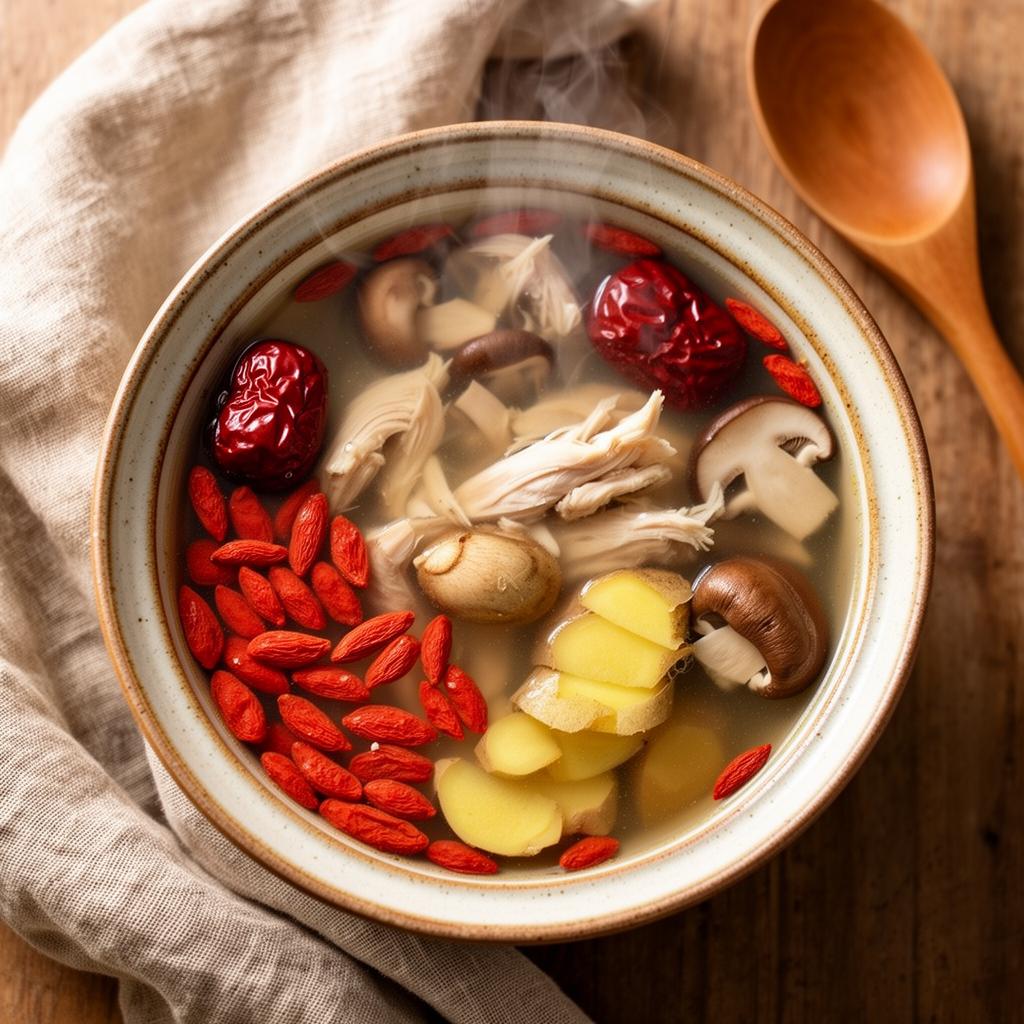
“Nutrition advice can be so confusing these days.
Prior to becoming an acupuncturist, I worked as a nutrition editor for a women's health and fitness magazine for many years. I saw diet trends come and go. Nutrition myths debunked and revisited. I sleuthed through scientific journal articles, interviewed dieticians, and helped develop meal plans and articles for the active woman. I even became a certified nutritionist. That was 18 years ago.
Growing up in a Chinese household, my mother fed us very traditionally with whole foods, a wide variety of protein, and herbal soups. There were very few packaged foods and drinks in our kitchen. My siblings and I did not drink pop or had access to snacks all day. Today, as a mother of two, I try my best to combine my knowledge of evidence-based Western nutrition with the time-honoured principles of my culture. I find this approach to be the most nourishing and sustainable way to eat — and I bring this perspective to my clients when addressing nutrition, as nutrition is a very important aspect of health in Traditional Chinese Medicine.
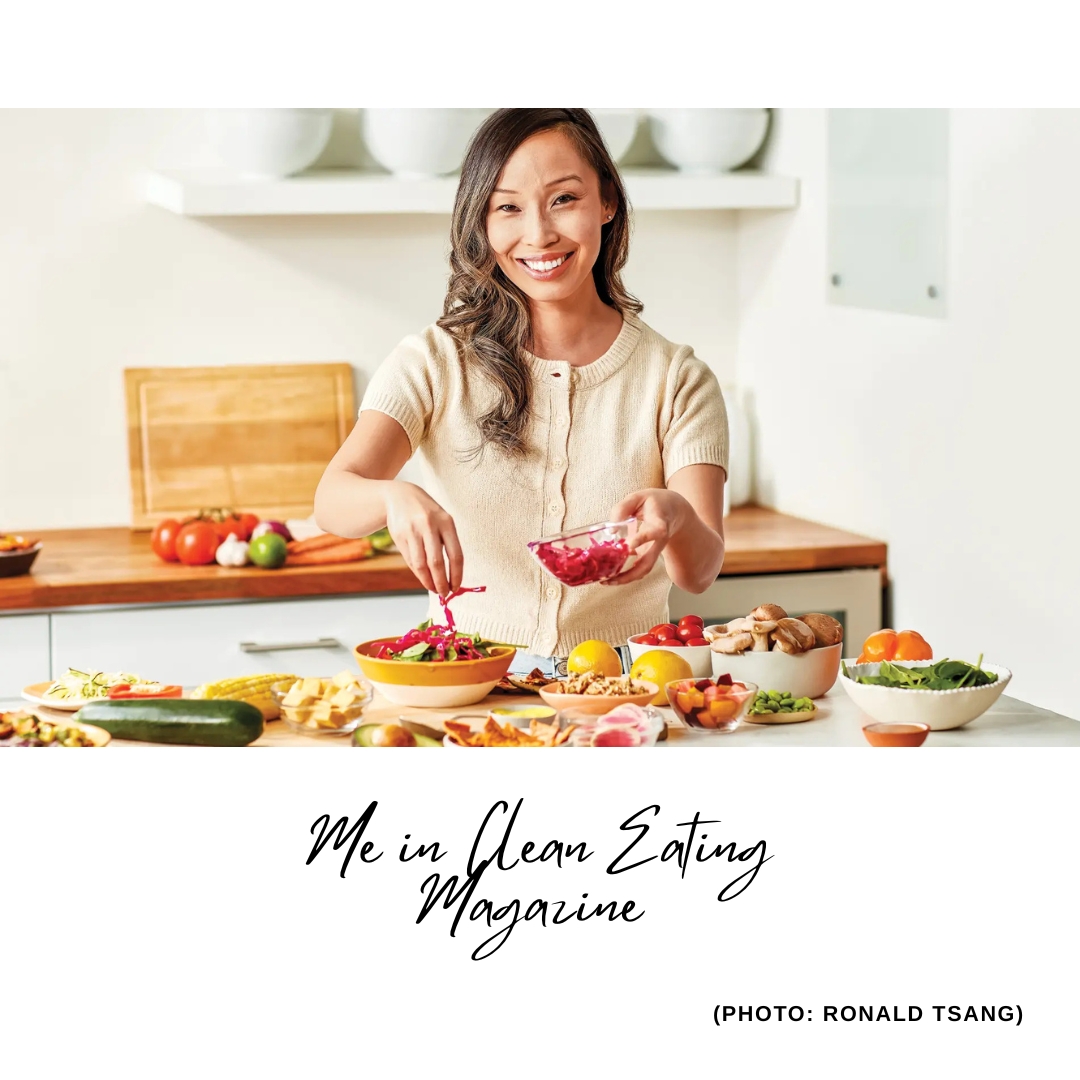
What does that look like in real life? For me, it’s no longer following what’s trendy and it’s using food as fuel and medicine – and yes, fun too. It’s finding balance and respecting my body’s constitution. For examples: I do eat salads – but not as the main meal. I do have cold drinks (I love a good iced matcha!) – though not during my period and only around lunch time. I eat carbs – especially around exercise. I eat red meat (a lot!) – but also other forms of protein like eggs, pork, chicken, and liver. I don’t drink alcohol – but if it’s time to party, I'll take a rye and ginger please. I start every day with a shot of hot water to rev up my “digestive fire” – a TCM concept that is at the core of healthy digestion, or in Western view, the gut microbiome. I marry the principles of TCM with what works with my body.
I’m in my mid-forties and I attribute my healthy relationship with food to the reasons why:
- My yearly bloodwork is good
- I don’t have any signs of perimenopause
- I don’t have any cravings for sugar
- I sleep well
I am not writing this to brag. I’ve had my fair share of struggles. I just want to offer you a different perspective on midlife. It is possible to feel great in this season of life – and I want that for you. If nutrition is not your strong suit, I suggest starting small. An accessible and gut-friendly way to incorporate TCM nutrition into your life is with herbal soups.
A weekly staple in my diet are Chinese herbal soups, which I often recommend to clients to help support their health and wellness goals. Traditional Chinese Medicine (TCM) soups have a history spanning over 2,000 years. Rooted in the ancient philosophy of food as medicine, these broths were designed to balance the body's opposing Yin and Yang energies, restore vital energy (Qi), and nourish the blood.
I, like many children of Chinese immigrant parents, was told by my mother to finish my soup before leaving the table. Luckily I loved her herbal soups — I remember the smells, and rich flavours that were different depending on the season or situation. It is a tradition I strive to keep alive in my household for my family.
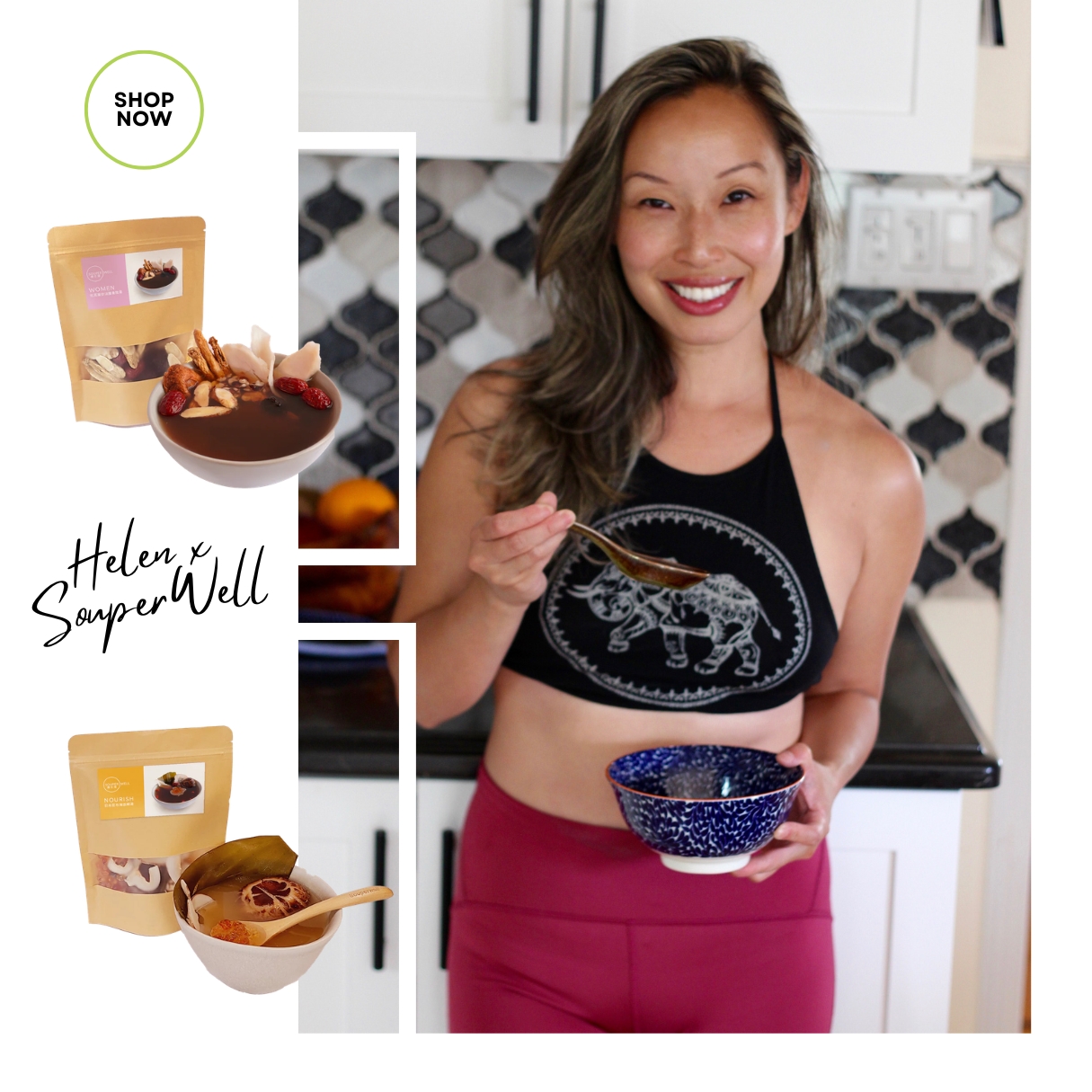
That’s why I've partnered with SouperWell, a Canadian company that makes pre packed TCM herbal soups with premium natural ingredients. They blend the time-honoured tradition of TCM herbs with the convenience factor of modern life. Their digestion soup is my personal and family favourite. I hope you enjoy their soups as much as I do!
Use promo code helen10 for 10% off.”
The Basics of TCM Dietary Therapy
In Traditional Chinese Medicine (TCM), food is viewed primarily as preventative medicine and daily energy. Rather than looking at chemical breakdowns like protein or vitamins, TCM classifies foods by their energetic properties, flavours and specific effects on the body’s organ systems. Specific foods help balance the body's energy (qi), yin and yang, and organ systems. Common TCM food categories include:
Warming Foods
Often recommended for people who feel cool, tired, or have poor circulation.
- Ginger
- Cinnamon
- Lamb
- Chicken
- Garlic
- Green onions
Cooling Foods
Often used for "heat" symptoms such as feeling hot, irritable, or certain inflammatory conditions.
- Watermelon
- Cucumber
- Pears
- Mung beans
- Celery
- Tofu
Neutral Foods
Considered suitable for regular consumption by many people.
- Rice
- Oats
- Carrots
- Potatoes
- Mushrooms
- Beans
Foods Commonly Used for Nourishment
- Red dates (jujubes)
- Goji berries
- Black sesame seeds
- Walnuts
- Bone broth
- Chinese yam
Popular TCM-inspired Dishes
- Congee (rice porridge)
- Chicken and ginger soup
- Lotus root soup
- Red date and goji berry tea
TCM dietary recommendations are individualized and can vary depending on a person's constitution and symptoms. Every acupuncture visit with Helen includes a discussion of nutrition, as it is an important part of overall health.
"He that takes medicine and neglects diet, wastes the skills of the physician." — Traditional Chinese Proverb